The FIFA World Cup 2026 ended on July 19 after bringing together fans, teams and workers across 16 host cities in the United States, Canada and Mexico. Behind the tournament were people working in hospitality, transportation, security, logistics, catering, cleaning, retail, customer service and venue operations.
Now that the final whistle has blown, many temporary and event-based contracts are ending. For job seekers, this may feel like a significant hole in the employment market. However, the end of the tournament does not mean the end of opportunity. It means that workers must reposition their experience for the next stage of their careers.
What Employment Gap Has FIFA Left Behind?
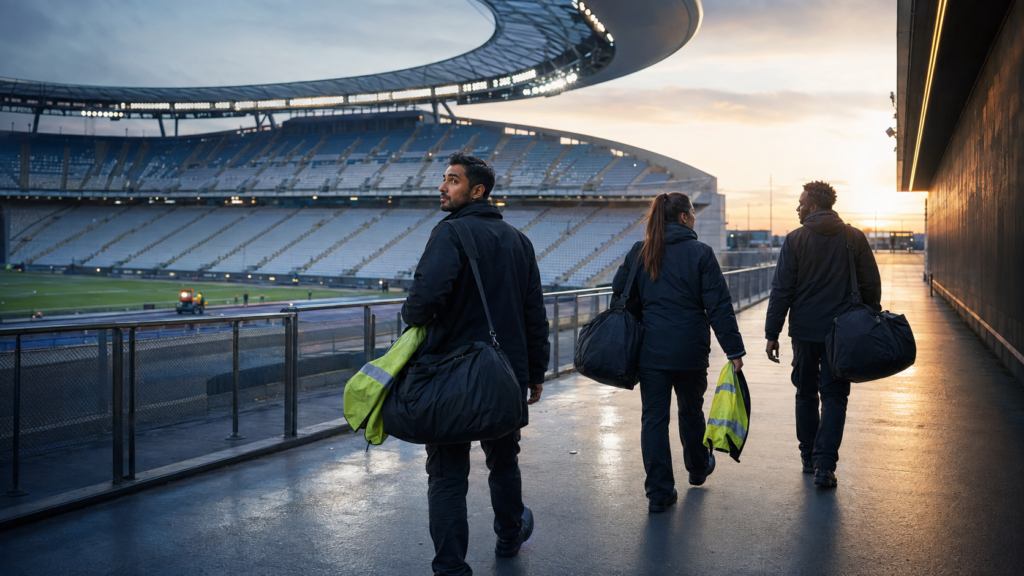
Major sporting events create a sharp but temporary increase in hiring. Hotels need additional staff, venues require crowd-support teams, transport companies add drivers and coordinators, and contractors recruit workers for merchandising, catering, cleaning and event logistics. After the event, these employers usually return to their normal staffing levels.
Workers in tournament-specific positions such as fan-zone support, accreditation, temporary retail, shuttle coordination and match-day guest services may experience the fastest reduction in available hours. Competition may also increase because many temporary workers begin searching for their next job at the same time. The solution is to act quickly and look beyond positions carrying the “FIFA” or “World Cup” name.
Your FIFA Experience Still Has Value
Working during a global event demonstrates more than an interest in football. It can show employers that you are able to:
- Work effectively in busy and high-pressure environments
- Communicate with customers from different backgrounds
- Follow security, safety and operational procedures
- Manage crowds, schedules or fast-changing priorities
- Collaborate with large and diverse teams
- Maintain service quality during long or demanding shifts
These are transferable skills. They can be useful across hospitality, tourism, logistics, warehousing, aviation, facilities management, security, retail and other service industries.

warehousing, aviation, facilities management, security, retail and other service industries.
Which Sectors Should You Target Next?
Former tournament workers should consider applying in industries that require similar skills:
- Hotels and hospitality: Front-desk services, housekeeping, food service, banquet operations and guest relations.
- Logistics and warehousing: Inventory handling, dispatch, order fulfilment, driving and transportation coordination.
- Stadium and facilities management: Maintenance, cleaning, security, technical support and venue operations.
- Events and entertainment: Concerts, conventions, exhibitions, festivals and professional sporting events.
- Retail and customer service: Sales assistance, merchandising, cash handling and customer support.
- Construction and skilled trades: Electrical work, HVAC, plumbing, welding, equipment operation and general maintenance.
In the United States, the Bureau of Labor Statistics projects construction and extraction occupations to grow faster than the average for all occupations between 2024 and 2034, with approximately 649,300 openings each year. This makes skilled trade training another practical pathway for eligible job seekers.
Treat FIFA as a strong chapter in your career, not the entire story. Your next role may be in a hotel, warehouse, airport, stadium, construction project or another major event, and the skills you developed during the World Cup can help you get there.