

Malaysia plans to reopen its labour market to Bangladeshi workers. This could create many new job opportunities. But recruitment numbers alone cannot show whether the system is successful.
The real test is simple: Are workers paid on time? Are their permits valid? Do they have safe accommodation? Can they get help when an employer breaks the rules?
Malaysia Plans a New Recruitment System
Bangladesh and Malaysia recently discussed employment opportunities, migration rules and worker welfare. Both countries want a more transparent and accountable recruitment process.
Bangladesh announced that worker deployment could restart from the final week of August 2026. BOESL may receive priority during the first phase. Malaysia will also review the list of recruitment agencies submitted by Bangladesh.
However, final information about migration costs, approved agencies and application procedures was still pending. Workers should wait for official instructions before paying anyone.
The Aerofoam Workers Are Still Waiting
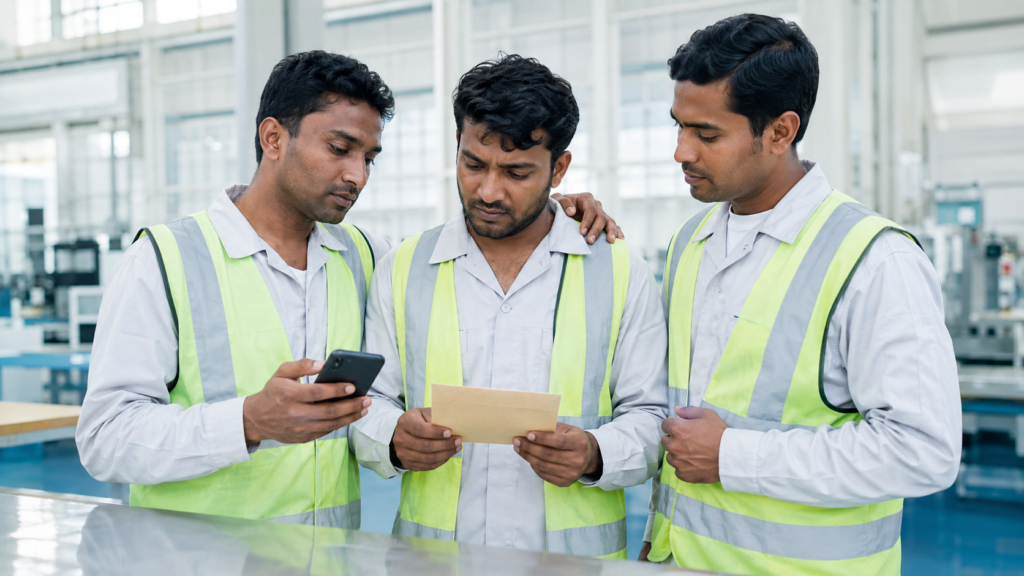
The situation of Bangladeshi workers at Aerofoam Manufacturing shows why worker protection is important.
Around 109 workers reportedly filed claims over nearly three months of unpaid wages. Many of their work permits had expired or were close to expiry.
The workers also reported other problems:
- Some allegedly paid recruitment fees of up to RM20,000.
- Some complained about hostel and flight-ticket deductions.
- Some said they did not receive proper payslips.
- Around 35 workers were reportedly living in shipping containers.
These claims should be properly investigated. The workers must also be protected while their legal cases continue.
One workers’ representative said:
“We are only asking to receive the wages we earned and to be protected while our cases are being resolved.”
Expired Permits Create More Danger
An unpaid wage is already a serious problem. An expired permit makes the situation worse.
Workers may face detention, deportation or loss of legal status. They may also feel pressured to stop their wage claims.
Workers should not be punished if an employer fails to renew their permits. Malaysian labour and immigration authorities should protect them while their cases are active.
Who Should Take Responsibility?
Several parties must work together.
- Employers must pay wages, renew permits and provide safe accommodation.
- Recruitment agencies must disclose costs, issue receipts and provide genuine contracts.
- Malaysian authorities must investigate complaints and protect workers from unlawful action.
- Bangladesh authorities must communicate with workers and coordinate with Malaysia.
- The Bangladesh High Commission should help workers recover wages and receive emergency support.
Latest News
A Malaysian delegation arrived in Dhaka to oversee the processing of around 17,000 workers who missed the May 31, 2024 entry deadline.
This backlog process is separate from new recruitment. An approval or visa does not always mean that a worker has a confirmed departure date.
Candidates should verify every job through BMET, BOESL or another official channel.
The Real Measure of Success
Malaysia’s reopening may help many Bangladeshi job seekers. But sending more workers is not enough.
A responsible recruitment system must also protect workers after they arrive. Workers should receive their wages, maintain legal status and have access to a fair complaint process.
The Aerofoam case is therefore Malaysia’s real welfare test.